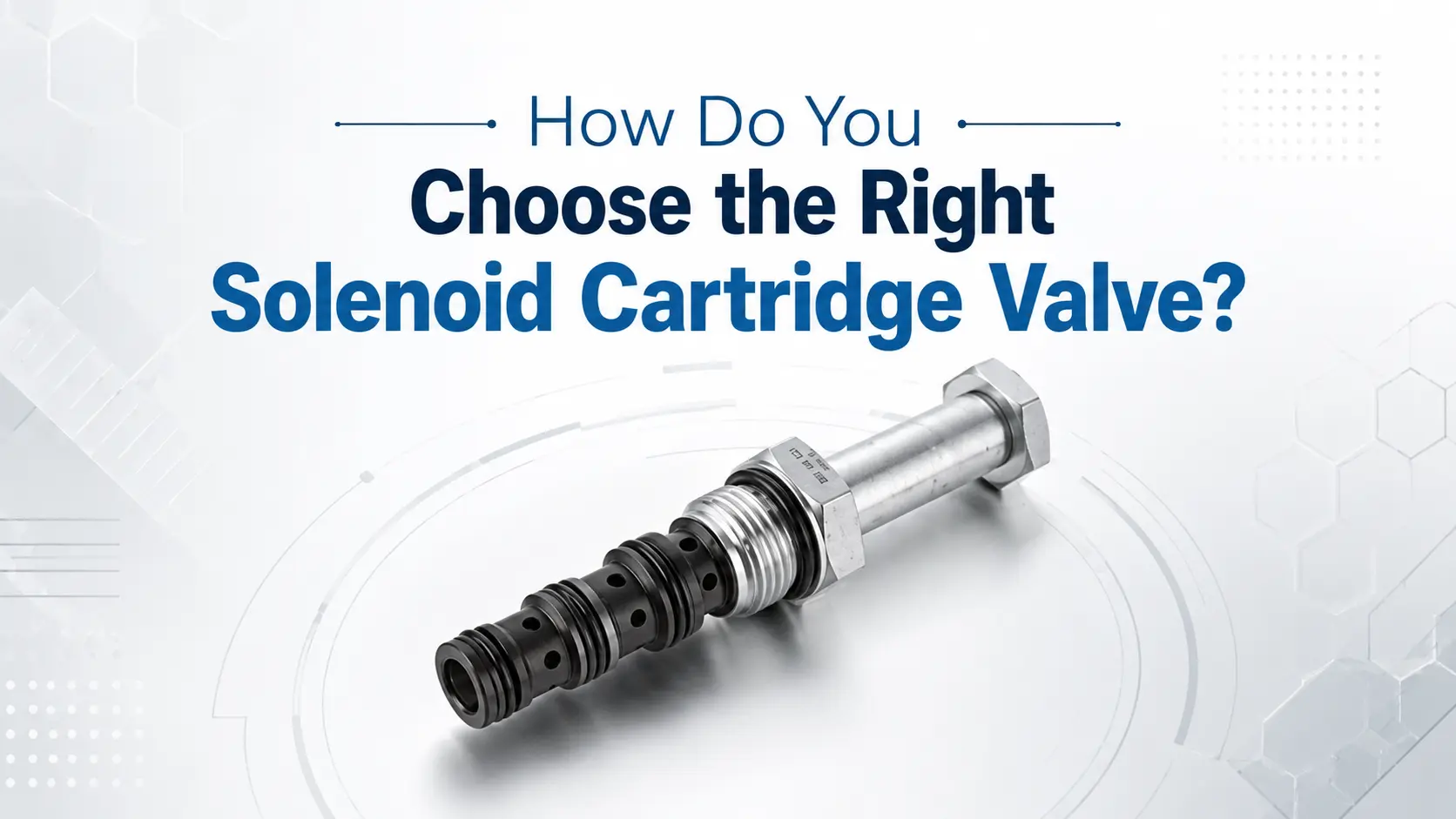
To choose the right solenoid cartridge valve, match the valve to five core conditions: circuit function, cavity, flow and pressure, valve structure, and coil specification. This article explains how to confirm these points, compare common solenoid cartridge designs, and prepare the information needed for an accurate recommendation. For a basic explanation of the operating principle, read how a cartridge solenoid valve works.
How Should You Select a Solenoid Cartridge Valve?
Start with the hydraulic function the valve must perform. A solenoid cartridge valve may be used to switch flow on or off, direct flow to an actuator, hold a load, or control a hydraulic sequence.
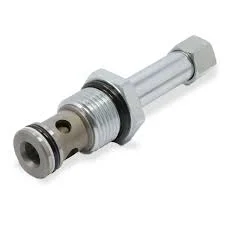
Confirm these core specifications before selecting a model:
| Parameter | What to Confirm |
|---|---|
| Circuit function | On/off control, directional control, load holding, or another required hydraulic function |
| Cavity | Exact cavity code, thread, installation dimensions, and port arrangement |
| Flow and pressure | Required operating flow, maximum working pressure, and acceptable pressure drop |
| Valve structure | Poppet or spool design, plus the required 2-way, 3-way, or 4-way flow path |
| Coil specification | Voltage, connector type, and continuous or intermittent duty requirement |
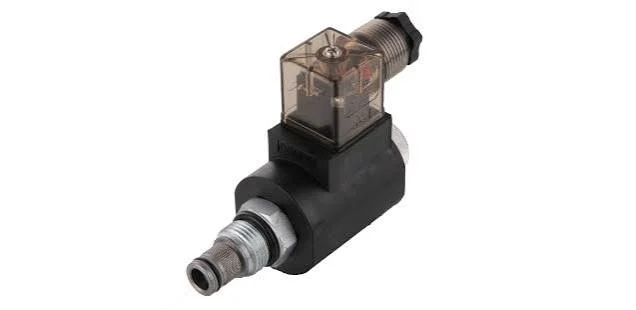
The existing valve model, cavity drawing, hydraulic schematic, and application details can help avoid an incorrect selection. A solenoid cartridge and its coil should be specified as a matched set for the actual circuit and operating conditions. Send these details to Jade Crown’s technical team for a practical compatibility review before placing an order.
Should You Choose a Poppet or Spool Valve?
Poppet-Type Solenoid Cartridge Valves
Poppet-type valves use a seated poppet to open or block flow. They are commonly selected where low internal leakage and reliable shutoff are important, such as load-holding, blocking, and safety-related hydraulic circuits.
A 2-way, normally closed poppet valve is often used when flow must remain blocked until the coil is energized. A normally open version may be selected when the circuit requires flow in the de-energized condition.
Spool-Type Solenoid Cartridge Valves
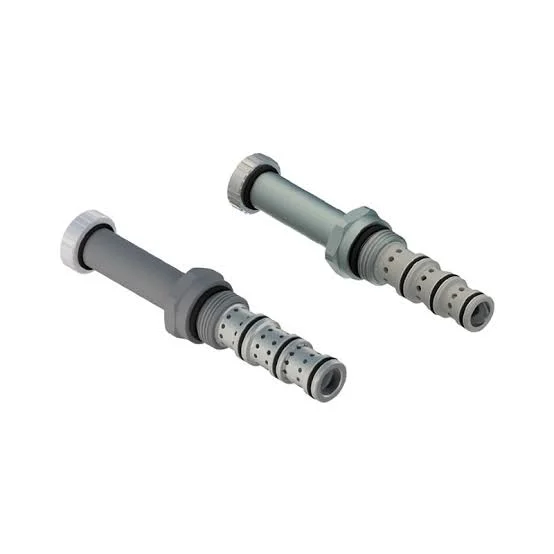
Spool-type valves use a sliding spool to connect or block hydraulic ports. They are suitable for directional control functions that require more flow-path options, including 2-way, 3-way, and 4-way arrangements.
They are commonly used to control cylinder extension and retraction, hydraulic motor direction, pilot circuits, and compact manifold functions. Compared with a poppet valve, a spool design may allow a small amount of internal leakage, so the application must determine whether low leakage or flexible directional control is the priority.
What Must Be Verified Before Ordering?
Confirm the exact cavity first. A screw-in solenoid cartridge must match the manifold cavity in thread, sealing locations, installation depth, and port arrangement. Similar-looking cartridges may use different cavity geometry or provide different hydraulic functions.
Then check the required flow, maximum pressure, and valve performance curve to avoid excessive pressure drop or heat. Also confirm the coil voltage, connector type, duty cycle, fluid compatibility, and environmental requirements. Contaminated oil, incorrect voltage, damaged wiring, and unsuitable seals can all reduce valve life.
Where Are Solenoid Cartridge Valves Used?
Solenoid cartridge valves are widely used in compact hydraulic systems because they install directly into a manifold or valve block. This compact solenoid cartridge structure is commonly used in:
- 1Hydraulic power units
- 2Vehicle lifts and liftgates
- 3Dump trailers and mobile machinery
- 4Material-handling equipment
If your project requires a compact hydraulic circuit, review Jade Crown’s cartridge valve manifold solutions to discuss the valve and manifold as one matched assembly.
Why Choose Jade Crown Hydraulic?
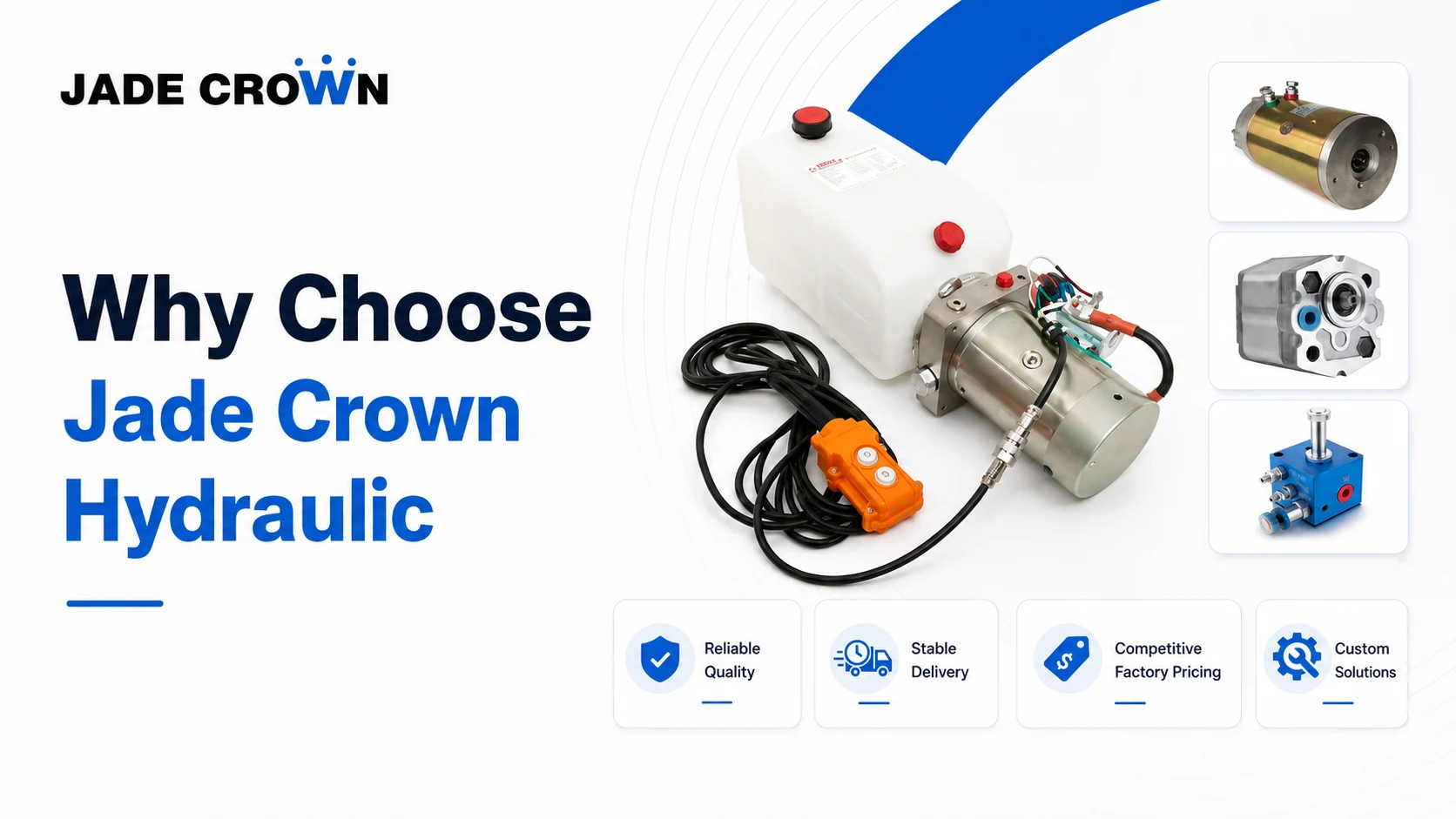
Jade Crown Hydraulic is a professional hydraulic power unit manufacturer supporting standard and customized hydraulic solutions. We understand that a cartridge valve must work correctly within the complete system, including the pump, motor, manifold, cylinder, pressure setting, oil ports, and electrical control.
Our advantages include:
- 1Professional hydraulic power unit and manifold manufacturing capability
- 2Support for OEM and customized hydraulic applications
- 3Competitive factory-based pricing
- 4Fast production and delivery coordination
- 5100% functional inspection before shipment
- 6One-year quality warranty
- 7Technical communication based on actual hydraulic requirements
Contact Jade Crown Hydraulic with your valve model, technical drawing, or application parameters to receive a suitable recommendation or quotation.
FAQ About Solenoid Cartridge Valves
What is the purpose of a solenoid cartridge valve?
A solenoid cartridge valve uses an electrical signal to open, close, or redirect hydraulic oil flow inside a manifold.
How does a solenoid cartridge valve work?
When the coil is energized, it creates magnetic force that moves an internal element and changes the flow path. When power is removed, the valve returns to its designed normal position.
Should I choose a poppet valve or a spool valve?
Choose a poppet valve when low leakage and reliable shutoff are the priority. Choose a spool valve when the circuit needs multiple directional flow paths.
What information is needed for a replacement valve inquiry?
Provide the existing model number, cavity drawing or manifold photo, valve function, flow rate, maximum pressure, coil voltage, and application.
What usually causes a solenoid cartridge valve to fail?
Common causes include contaminated oil, incorrect voltage, damaged wiring, overheating, and unsuitable seals.