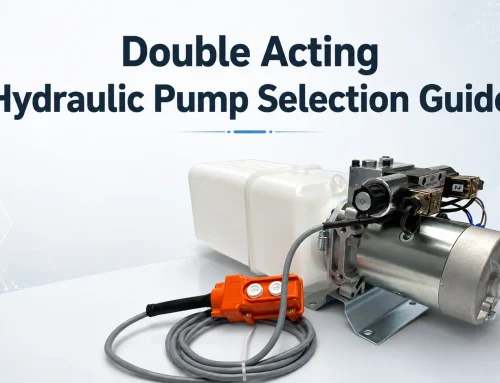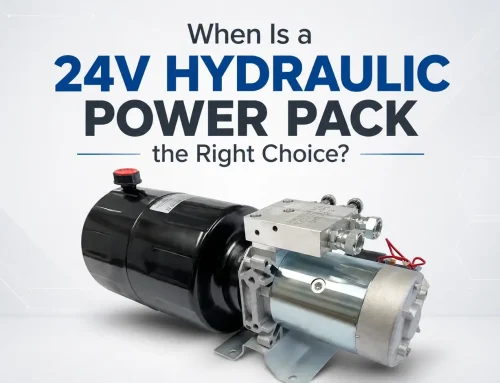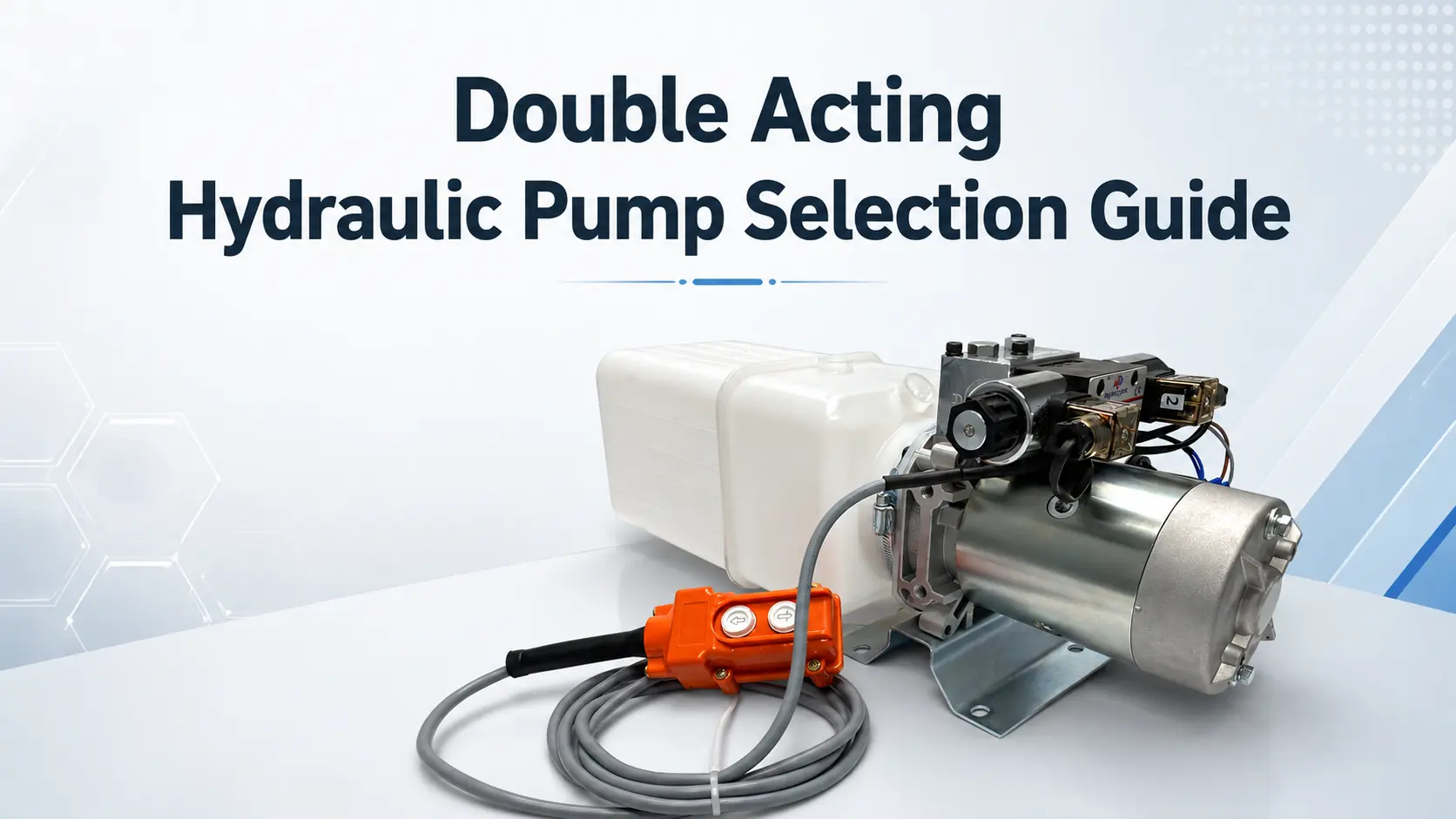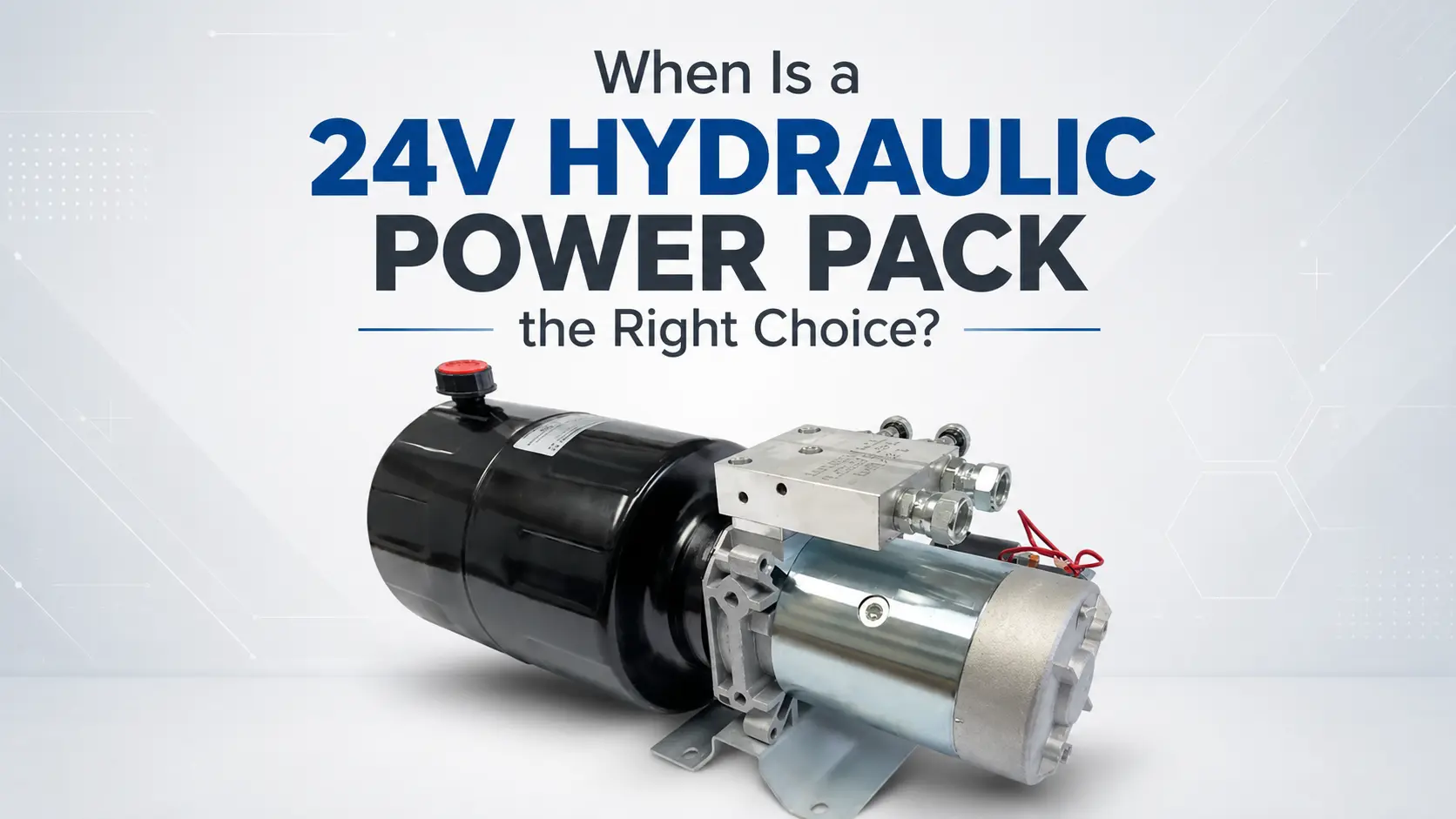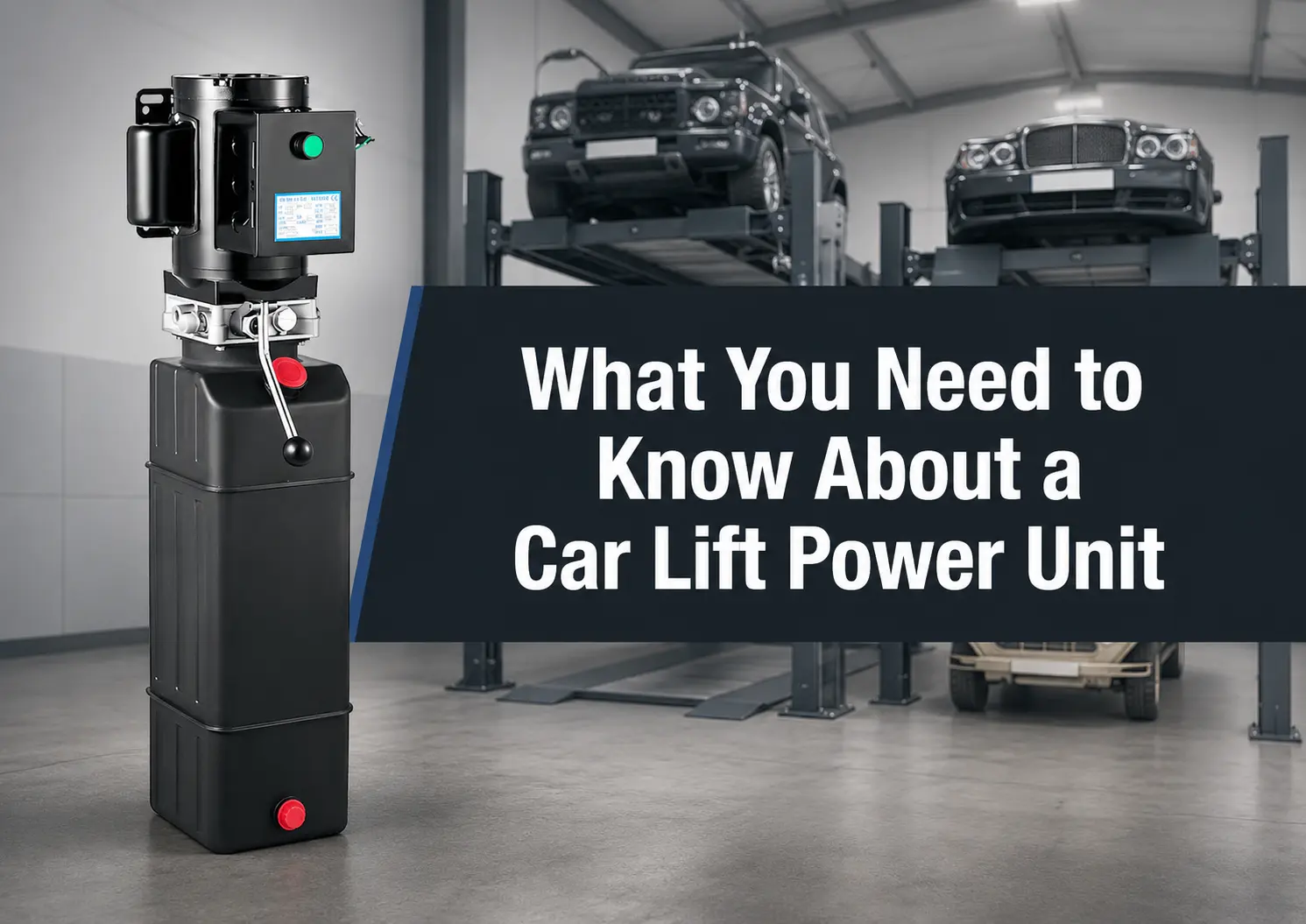
A car lift power unit is a hydraulic power pack driven by an electric motor to provide the pressure needed to raise and lower automotive lifts. It usually includes an electric motor, hydraulic pump, oil reservoir, valve block, relief valve, and control components.
For vehicle lifting equipment, choosing the right unit depends on lift type, voltage, motor power, pressure setting, reservoir size, mounting position, and cylinder requirements. A correctly matched unit helps the lift operate smoothly, safely, and consistently in garages, repair shops, and equipment manufacturing projects.
What Is a Car Lift Power Unit?
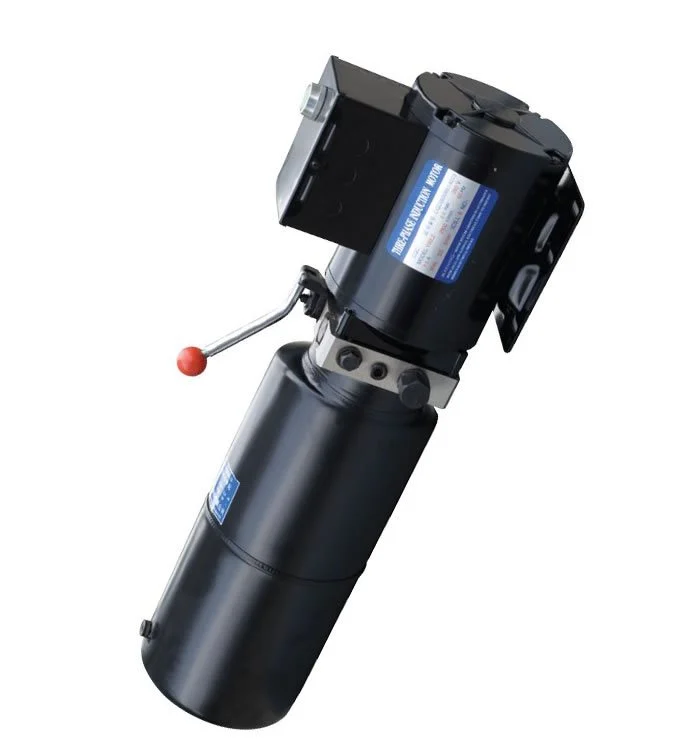
A car lift power unit converts electrical power into hydraulic pressure. When the motor runs, the pump moves hydraulic oil from the reservoir into the lift cylinder. The pressurized oil pushes the cylinder piston, allowing the lift structure to raise the vehicle.
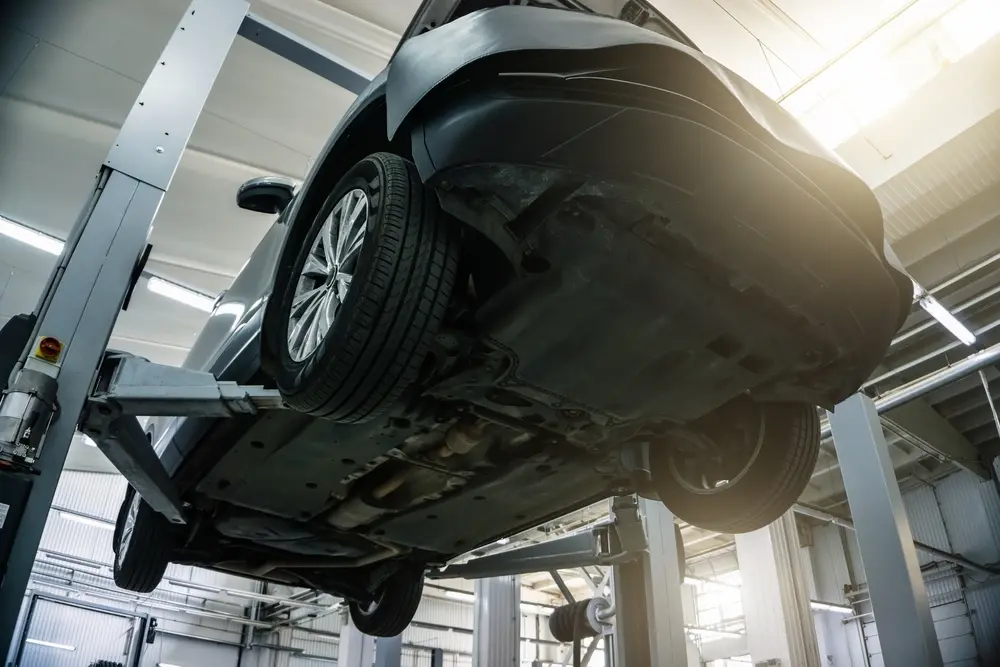
Most automotive lifts use a compact hydraulic power pack mounted directly on the lift column or frame. This system is commonly used on:
For replacement or OEM projects, the power unit should match the lift’s rated load, cylinder design, voltage, oil flow, and mounting layout. If the original specifications are unclear, you can contact Jade Crown for car lift hydraulic power unit selection to confirm the required voltage, pressure, reservoir, and valve configuration.
How Does a Car Lift Hydraulic Power Unit Work?
A car lift hydraulic power unit works by using an electric motor to drive a hydraulic pump. The pump sends oil from the reservoir into the lift cylinder, creating pressure that raises the vehicle. When lowering, the release valve opens and allows oil to return to the reservoir at a controlled speed.
The working process can be understood in three main stages:
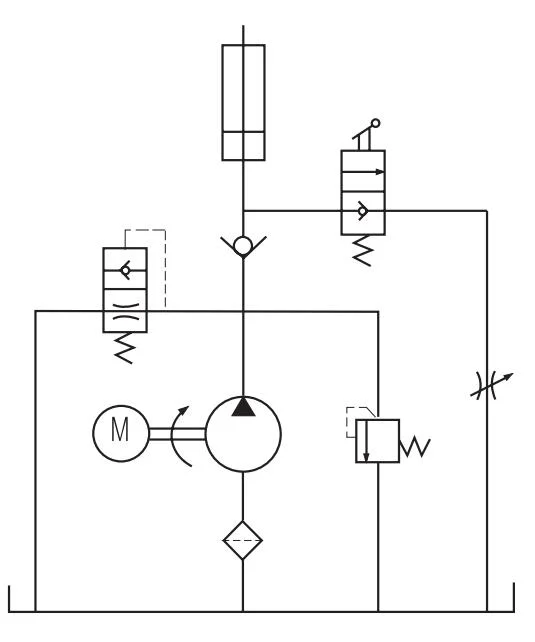
1. Lifting Stage
2. Holding Stage
The hydraulic system should not be treated as the only holding device. For safe operation, the lift’s mechanical locks must always be used when a vehicle is raised.
3. Lowering Stage
What Key Parameters Should You Check Before Buying?
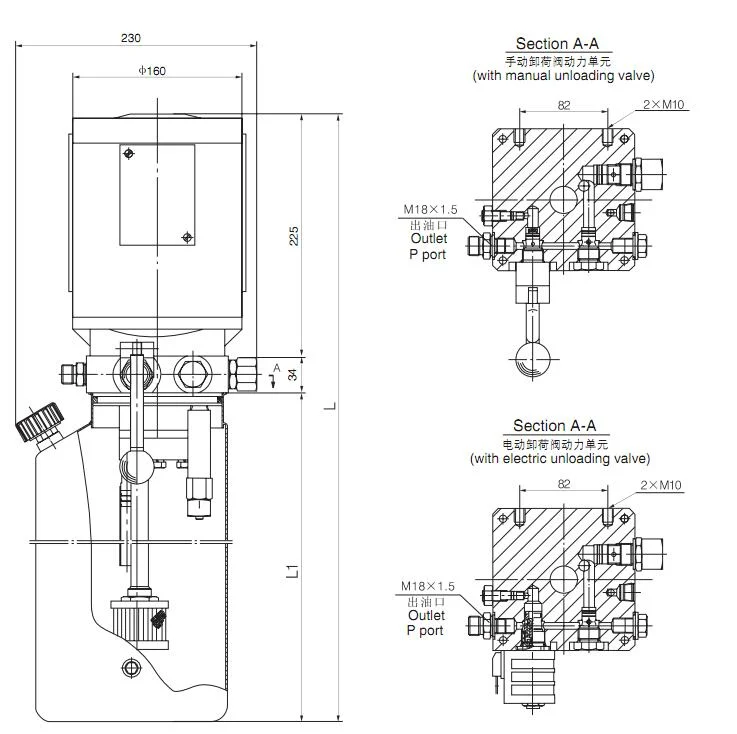
Before choosing a car lift power unit, confirm the actual working requirements of the lift. A lift hydraulic power unit with the wrong voltage, pressure, reservoir, or port layout may not fit the lift or may cause unstable operation.
If you need to match a specific voltage, reservoir size, oil port, or mounting layout, you can send your lift specifications through contact Jade Crown for lift hydraulic power unit customization to confirm a suitable solution for your project.
Should You Choose a 110V or 220V Car Lift Hydraulic Power Unit?
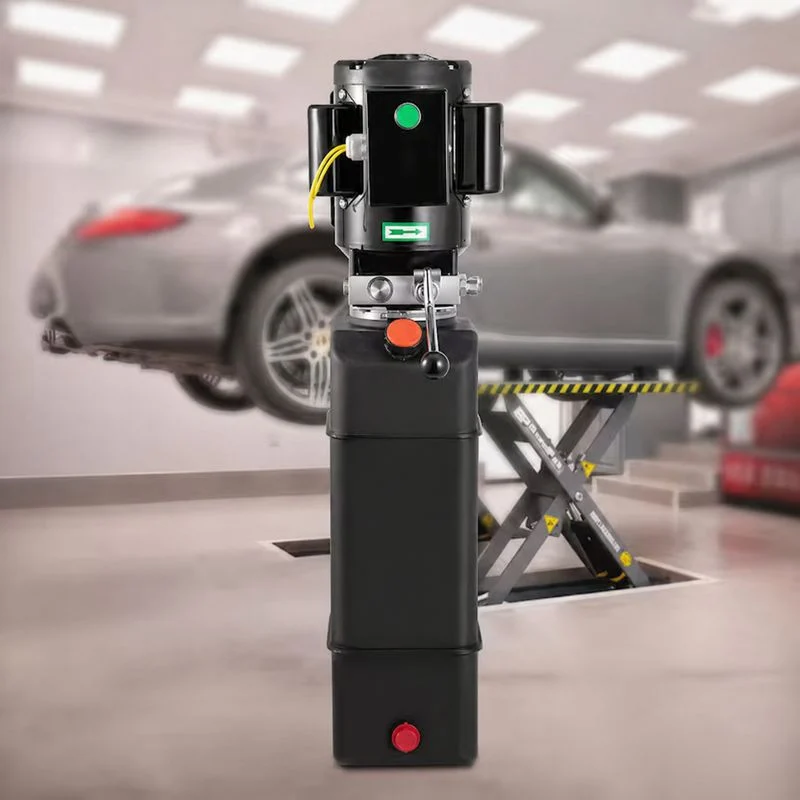
A 110v car lift hydraulic power unit is usually suitable for lighter-duty lifts, small garages, and applications where standard single-phase power is preferred. A 220v car lift hydraulic power unit is usually better for full-rise lifts, frequent lifting, heavier vehicles, and repair shop environments where faster and more stable operation is required.
For a 2 post lift power unit, voltage selection should match the lift manufacturer’s motor requirement, lift capacity, and working frequency.
When Should You Replace a Car Lift Power Unit?
A car lift power unit may need replacement when the lift becomes slow, unstable, noisy, or unable to raise the vehicle properly. Some problems can be caused by oil level, wiring, seals, valves, or motor failure, so inspection is important before replacement.
Common replacement signs include:
- 1The motor runs but the lift does not rise
- 2The lift rises slowly or stops under load
- 3The unit leaks hydraulic oil
- 4The lift lowers by itself
- 5The motor overheats, trips the breaker, or makes unusual noise
- 6The lowering speed becomes difficult to control
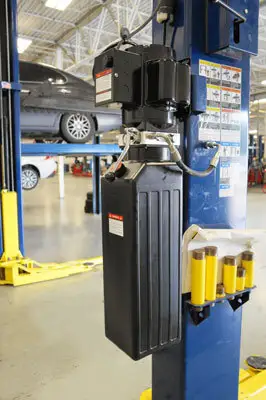
Replacing an existing unit? Read our car lift hydraulic power unit replacement guide to learn what to check before selecting a compatible replacement.
How Do You Maintain the Hydraulic Power Unit?
Regular maintenance helps the hydraulic power unit operate safely and extends the service life of the hydraulic system. Maintenance should focus on hydraulic oil condition, leakage, electrical connections, valve function, and general cleanliness.
Key maintenance points include:
- 1Check hydraulic oil level regularly.
- 2Inspect the reservoir, pump, hose, and fittings for leaks.
- 3Keep electrical wiring and terminals secure.
- 4Make sure the lowering valve and relief valve work properly.
- 5Keep the motor and reservoir area clean.
- 6Avoid overloading the lift beyond its rated capacity.
- 7Always use mechanical safety locks when working under a raised vehicle.
Why Choose Jade Crown Hydraulic Power Units?
Jade Crown is a hydraulic power unit manufacturer and supplier in China, supporting replacement, wholesale, and OEM projects for automotive lift systems. For car lift applications, we can match voltage, reservoir, motor, pump, valve, mounting, and oil port options according to real lift requirements.
FAQ
What kind of power do car lifts use?
Are all car lifts 240V?
No. Not all car lifts are 240V. Some light-duty lifts use 110V, while many commercial two-post and four-post lifts use 220V or 240V. Heavy-duty systems may require other voltage options.
What is a power unit in a car hoist?
A power unit in a car hoist is the hydraulic assembly that generates oil pressure to raise and lower the lift. It usually includes an electric motor, pump, oil reservoir, valve block, and control parts.
How do I choose the right power unit for my car hoist?
What maintenance does a power unit require?
Regular maintenance includes checking hydraulic oil level, inspecting for leaks, securing electrical connections, keeping the unit clean, and making sure the lowering valve and relief valve work properly.
Need a suitable power unit for your lift project? Contact Jade Crown to discuss your car lift hydraulic power unit solution.